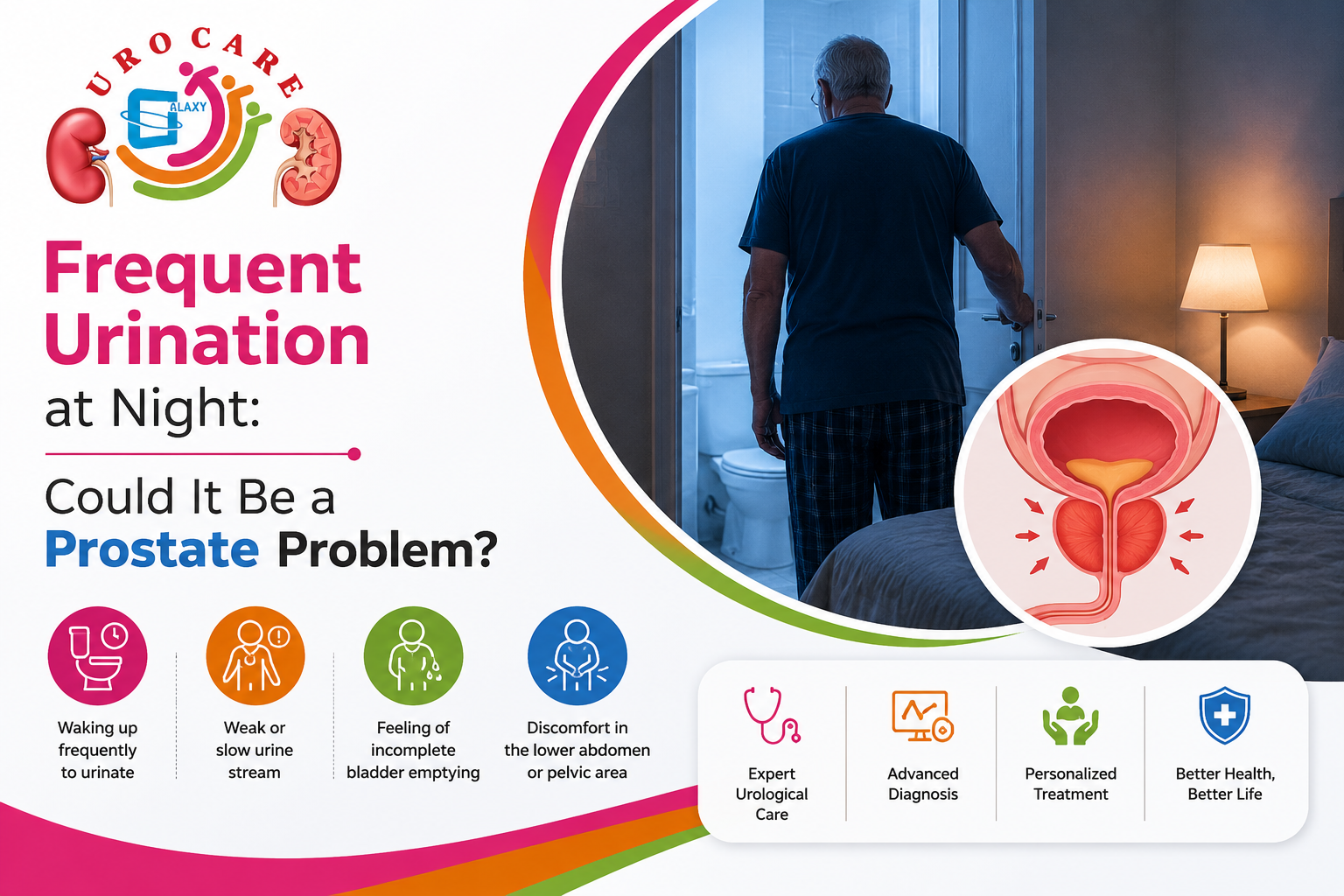
Waking up repeatedly at night to urinate can disturb sleep and affect your daily routine. In men, an enlarged prostate can sometimes contribute to these urinary changes. However, nighttime urination can also have other causes, so identifying the underlying reason is important. Dr. Swapnil Tople can evaluate persistent urinary concerns and help determine whether they are related to prostate health or another condition. For appropriate Prostate Treatment in Chembur, a proper medical evaluation is an important first step.
What Is Frequent Urination at Night?
Frequent Urination at Night in Men refers to waking up during sleep to pass urine. Occasional nighttime urination may not indicate a serious concern. However, repeatedly waking up can interfere with restful sleep and may require medical evaluation.
Nighttime Urination in Men can occur because of several factors, including drinking large amounts of fluid before bedtime, certain medications, diabetes, urinary conditions, sleep-related problems, or prostate enlargement.
Can the Prostate Cause Frequent Urination?
Yes, an enlarged prostate can contribute to urinary symptoms. The prostate is located below the bladder and surrounds part of the urethra. As the prostate enlarges, it can put pressure on the urethra and interfere with the normal passage of urine.
This may lead to Enlarged Prostate Symptoms, such as:
- Frequent need to urinate
- Increased nighttime urination
- Difficulty starting urination
- Weak or interrupted urine stream
- Feeling that the bladder has not emptied completely
- Sudden urgency to urinate
- Dribbling after urination
Men experiencing these changes may benefit from Prostate Problems in Chembur evaluation to determine whether the symptoms are related to the prostate or another urinary condition.
Understanding BPH
Benign prostatic hyperplasia, commonly called BPH, is a non-cancerous enlargement of the prostate. It becomes more common as men age and can gradually affect normal urination.
Common BPH Symptoms in Men may include increased urinary frequency, urgency, difficulty beginning urination, reduced urine flow, and incomplete bladder emptying. The intensity of these symptoms can vary considerably between individuals.
Importantly, urinary symptoms do not always indicate BPH. A medical evaluation is needed to identify the actual cause.
What Causes Nighttime Urination?
Besides prostate enlargement, frequent nighttime urination may be associated with:
- Drinking excess fluids close to bedtime
- Caffeine consumption in the evening
- Diabetes
- Certain medications
- Urinary tract conditions
- Bladder-related problems
- Sleep disorders
- Age-related changes
Therefore, men should not assume that the prostate is always responsible. A Urologist in Chembur can assess the symptoms and recommend appropriate investigations.
When Should You See a Urologist?
Occasional nighttime urination may not require immediate medical attention. However, a consultation is advisable when the problem becomes frequent, persistent, or starts affecting sleep and daily activities.
A Urologist in Chembur may ask about urinary frequency, fluid intake, medications, medical history, and other symptoms. Depending on the situation, the doctor may recommend urine tests, blood tests, ultrasound, prostate evaluation, or other investigations.
Seeking medical advice can help identify the cause and determine an appropriate management plan.
How Are Prostate Problems Evaluated?
During an evaluation for Prostate Treatment in Chembur, the doctor may consider several factors rather than relying on one symptom.
The assessment may include:
- Medical and medication history
- Physical examination
- Urine testing
- Blood investigations
- Prostate-specific tests when appropriate
- Ultrasound or other imaging
- Assessment of urine flow and bladder emptying
These evaluations help distinguish prostate-related symptoms from other urinary conditions.
Treatment Options for Prostate-Related Urinary Problems
The treatment chosen for prostate-related urinary symptoms depends on how severe the symptoms are and whether an enlarged prostate is causing obstruction. A urologist first evaluates the condition before recommending treatment.
1. Lifestyle and Fluid Management
For mild symptoms, changes such as reducing fluids close to bedtime, limiting evening caffeine, and avoiding habits that worsen urinary frequency may help reduce nighttime trips to the bathroom.
2. Medicines for Urinary Symptoms
Doctors may prescribe medicines to improve urine flow or reduce symptoms caused by an enlarged prostate. The choice of medicine depends on the patient’s symptoms, prostate condition, and overall health.
3. Medicines That Help Control Prostate Enlargement
For some men with an enlarged prostate, specific medicines may help reduce prostate size over time and improve urinary symptoms. These medicines may be considered when the prostate is enlarged and symptoms require ongoing treatment.
4. Minimally Invasive Procedures
If symptoms remain troublesome despite medication, a urologist may discuss minimally invasive procedures that improve the passage of urine by addressing enlarged prostate tissue.
5. Surgical Treatment
Surgery may be considered when urinary symptoms are severe, complications develop, or other treatments do not provide sufficient improvement. The type of procedure depends on the patient’s prostate size, condition, and individual requirements.
For men considering BPH Treatment in Chembur, a proper urological evaluation is important before selecting any treatment. The goal is to identify the cause of the urinary symptoms and choose an approach that is appropriate for the individual’s condition.
What About Weak Urine Flow?
Weak Urine Flow in Men can occur when an enlarged prostate puts pressure around the urethra. However, changes in urine flow can also have other causes.
If weak flow occurs together with frequent nighttime urination, difficulty starting, urgency, or incomplete bladder emptying, a Urologist in Chembur can help determine the underlying cause.
Can Lifestyle Changes Help?
Lifestyle adjustments may help some men manage mild urinary symptoms. Helpful measures can include avoiding excessive fluids before sleeping, reducing evening caffeine, maintaining physical activity, and following a balanced diet.
These measures may support symptom management, but they should not replace medical evaluation when symptoms are persistent or worsening.
When Is Prostate Treatment Needed?
Not every man with urinary symptoms needs immediate treatment. The decision depends on symptom severity, test results, prostate-related findings, and how much the condition affects quality of life.
If symptoms become persistent or interfere with sleep, Prostate Treatment in Chembur may be discussed after a detailed evaluation. Depending on the diagnosis, treatment could involve monitoring, medicines, minimally invasive procedures, or surgery.
For men experiencing ongoing Prostate Problems in Chembur, timely consultation can help identify the condition and understand available treatment options.
Final Thought
Frequent nighttime urination can have several causes, including an enlarged prostate. Persistent symptoms such as frequent urination, weak urine flow in men, urgency, or difficulty emptying the bladder deserve professional evaluation. Dr. Swapnil Tople can help assess prostate-related urinary concerns and explain suitable treatment options based on the individual’s condition. Consulting a Urologist in Chembur can help identify the underlying cause and guide you toward appropriate care.
Frequently Asked Questions
1. Is frequent nighttime urination always caused by an enlarged prostate?
No. It can also result from fluid intake, diabetes, medications, bladder conditions, sleep disorders, and other factors.
2. How many times is it normal to urinate at night?
Occasional nighttime urination can happen, but repeatedly waking up to urinate or experiencing a sudden increase should be discussed with a healthcare professional.
3. Can BPH be treated without surgery?
Yes. Depending on symptom severity, doctors may recommend lifestyle measures, monitoring, or medicines. Minimally invasive procedures or surgery may be considered when appropriate.
4. Does weak urine flow always mean prostate enlargement?
No. Weak flow can have several causes. A proper evaluation is needed to determine why the urine stream has changed.
5. When should I consult a urologist?
Consider seeking medical advice if nighttime urination is persistent, worsening, affecting sleep, or occurring along with difficulty urinating, pain, blood in urine, or other concerning symptoms.